
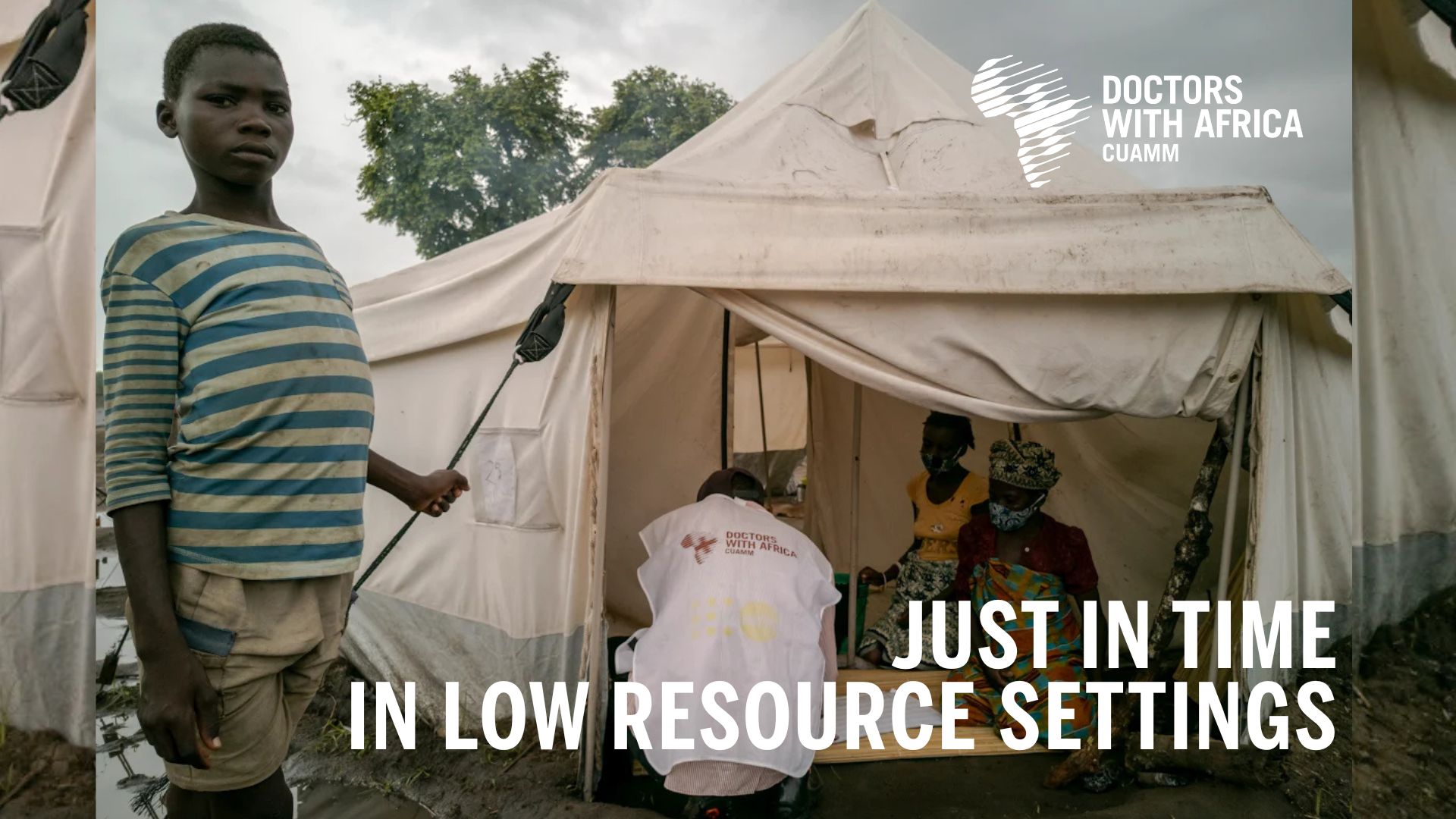
Just In Time in Low Resource Settings

CUAMM

About This Course

This course consists of the curriculum for a disaster preparedness training course for healthcare professionals (HCPs) in low resource settings. Every health care worker should be equipped to proficiently and safely work in a variety of facilities during disasters, both in high and low resource settings. A comprehensive, all-hazard strategy for disaster preparedness should be implemented across the entire health sector. Such a strategy would ensure that preparedness exists at all levels, from that of the individual/household to the country as a whole, also including hospitals, emergency medical services, and the primary care network. Even the extraordinary international effort expended during the COVID-19 pandemic to contain and control the virus is evidence that disaster preparedness of the health sector is critical to society's well being and security. Dedicating more resources and energy to preparedness through training and educational programs will reduce the health risks and negative health outcomes, especially for vulnerable communities. Boosting preparedness for disasters through training programs in the health sector has the potential to improve HCPs’ confidence to respond effectively in disasters, their perception of preparedness and confidence and their overall knowledge of emergency activities and procedures. Training programs in disaster preparedness for healthcare professionals should be therefore part of the standard educational curriculum.

Learning Objectives

A training curriculum was designed with the specific aim to provide healthcare workers in low- resource settings with the following specific disaster-related competencies:

  1. Provide healthcare workers with a common background of knowledge and information about disaster-specific information.
  2. Provide healthcare workers with the adequate competencies to proficiently and safely work inside any healthcare facility during any disasters.
  3. Understand the working principles and the standard operating procedures in place at their workplace in preparation for, during, or in the aftermath of a disaster.
  4. Understand basic principles of disaster medicine and public health emergencies.

At the end of the training, participants are expected to meet the criteria for qualified health care personnel with basic disaster medicine competencies. Improving healthcare professionals’ knowledge and awareness in disaster-specific matters is likely to limit the health risks and consequences of emergencies and improve workers’ self-knowledge of their level of preparation and willingness to take active part in the disaster response. Rather than delivering mere theoretical knowledge, the present course will offer practical information to improve trainees’ awareness of public health management and their technical performance to be ultimately able to work safely and effectively in a public health emergency.

Delivery Methods

The “Just in Time” training consists of a 6-module training package delivered through a distance learning interface. Each module on the e-learning platform consists of a compulsory unit (lectures, presentations, videos) and an optional unit (in-depth documents). The compulsory units have a maximum study duration of 45 minutes each (total training duration: approximately 7 hours). At the end of the course, it is possible to take a learning test that enables the participant to receive a digital certificate of attendance.

Training Curriculum

A curriculum for the “Just In Time” disaster preparedness training for Healthcare Professionals in Low Resource Settings is reported in the tables below.

MODULE LEARNING OBJECTIVES
INTRO Brief course introduction

Short video introducing the course and training goals
MODULE 1
Introduction to public health emergencies and disasters (2 video lessons)
To understand definitions and characteristics of public health emergencies and disasters
To know key epidemiological principles and terminology of emergency interventions
To be familiar with the classification of disasters (e.g. natural, technological) and disaster-specific terminology (e.g. surge capacity, triage, incident command system...)
To be familiar with the Disaster Cycle
To be familiar with the principles of emergency preparedness and disaster risk management
MODULE 2
Introduction to vulnerability and response at the primary care level (5 video lessons)
To understand different dimensions of vulnerability with the objective of assessing the ability to anticipate, cope, resist, and recover from the impact of hazardous events
To understand different modes of assessing vulnerability
To be familiar with concepts of adaptability and resilience
To understand elements of preparedness for and responds to disasters at the primary care level
MODULE 3
Basic principles of pre-hospital disaster response (1 video lesson)
To understand general principles of disaster response at the pre-hospital level
To understand the key principles of triage during MCI and the START protocol
MODULE 4
Basic principles Hospital Response (3 video lessons)
To understand how the hospital should respond in case of an emergency: activation and collaboration with local authorities (knowledge of the network and official directives of the country)
To understand the concepts of hospital surge capacity in terms of staff, stuff (i.e., PPE, pharmaceuticals, ventilators, beds, oxygen, and other supplies), and structure (i.e., the physical structure and the management infrastructure), and the importance of allocating scarce resources
To recognize the value of triage and the difficulties in dealing with the ethical challenges of distributing limited medical resources
To be familiar with the safety and security protocols in place at health facilities
To be familiar with the policy and procedures in place at the health facility
To follow all disinfection, waste management, and cleaning protocols at the health facility
challenges of distributing limited medical resources
MODULE 5
Basic principles of Preparedness (1 video lesson)
To understand general principles of Community Preparedness
To understand general principles of Pre-hospital Preparedness
To understand general principles of Hospital Preparedness
MODULE 6
Experiences from the field (4 video lessons)
Lessons learnt from previous disasters (the 2015 Ebola Outbreak in Uganda, 2019 Idai Cyclone in Mozambique and the 2012 Cholera Outbreak in Angola)


Module Learning objectives Video Lessons Author
Intro
Brief course introduction
Short video introducing the course and training goals Intro to Just in Time -
Mod. 1
Introduction to public health emergencies and disasters (2 video lessons)
To understand definitions and characteristics of public health emergencies and disasters
To know key epidemiological principles and terminology of emergency interventions
To be familiar with the classification of disasters (e.g. natural, technological) and disaster-specific terminology (e.g. surge capacity, triage, incident command system...)
To be familiar with the Disaster Cycle
To be familiar with the principles of emergency preparedness and disaster risk management
Basic principles of disaster management
The Disaster Cycle
Luca Ragazzoni
Hamdi Lamine
Mod. 2
Introduction to vulnerability and response at the primary care level (5 video lessons)
To understand different dimensions of vulnerability with the objective of assessing the ability to anticipate, cope, resist, and recover from the impact of a hazardous event
To understand different modes of assessing vulnerability
To be familiar with concepts of adaptability and resilience
To understand elements of preparedness for and response to disasters at the primary care level
Vulnerability and disasters at the primary care level (3)
Gender and disasters
Mental Health and Disasters
Alessandro Lamberti- Castronuovo
Monica Trentin
Martina Valente
Mod. 3
Basic principles of pre-hospital disaster response (1 video lesson)
To understand general principles of disaster response at the pre-hospital level
To understand the key principles of triage during MCI and the START protocol
Pre-hospital disaster management Michelangelo Bortolin
Mod. 4
Basic principles of hospital response (3 video lessons)
To understand how the hospital should respond in case of an emergency: activation and collaboration with local authorities (knowledge of the network and official directives of the country).
To understand the concepts of hospital surge capacity in terms of staff, stuff (i.e., PPE, pharmaceuticals, ventilators, beds, oxygen, and other supplies), and structure (i.e., the physical structure and the management infrastructure), and the importance of allocating scarce resources
To recognize the value of triage and the difficulties in dealing with the ethical
To be familiar with the safety and security protocols in place at health facilities
To be familiar with the policy and procedures in place at the health facility
To follow all disinfection, waste management, and cleaning protocols at the health facility
Challenges of distributing limited medical resources
Hospital disaster response
IPC
Emanuela De Vivo
Emanuela Parotto
Massimo La Raja
Mod. 5
Community Emergencies Preparedness and Response (1 video lesson)
To understand general principles of Community Preparedness
To understand general principles of Pre-hospital Preparedness
To understand general principles of Hospital Preparedness
Community Preparedness and Response Edoardo Occa
Mod. 6
Experience from the field (4 video lessons)
Lessons learnt from previous disasters (the 2015 Ebola Outbreak in Uganda, 2019 IdaiCyclone in Mozambique and the 2012 Cholera Outbreak in Angola) Field experience lessons Andrea Atzori
Peter Lochoro
Fabio Capello
Paola Gaddi

DOCTORS WITH AFRICA CUAMM

Founded in 1950, Doctors with Africa CUAMM was the first NGO working in the international health field to be recognized in Italy and is the largest Italian organization for the promotion and protection of health in Africa. It implements long-term projects with a development approach, taking action in emergency situations as well to ensure that quality service is accessible to everyone. Doctors with Africa CUAMM is currently active in 9 sub-Saharan African countries (Angola, Ethiopia, Mozambique, Central African Republic, Sierra Leone, South Sudan, Tanzania, Uganda and Côte d'Ivoire) with about 3,000 European and African health workers, supporting 23 hospitals, 64 health districts (for public health activities, maternal and child care, the fight against AIDS, and tuberculosis).

Enroll